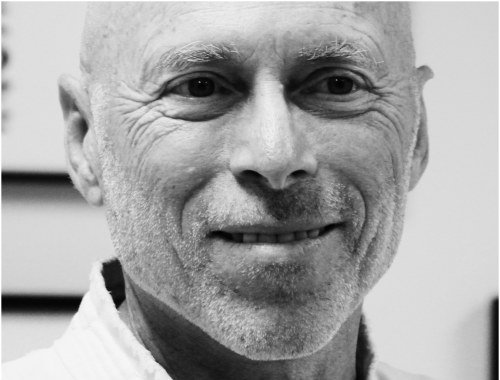
David Lukoff
Evolving from Crisis to Competence: The Journey of Spiritual Understanding in Clinical Practice
Presentation Overview
This session explores the transformative path that began with Christina and Stanislav Grof's pioneering research in 1980, which established crucial distinctions between spiritual crises and psychiatric disorders. Their foundational work catalyzed the inclusion of a spiritual problems category in the DSM-IV in 1994, a classification that continues in the current DSM-5 edition—for which the presenter served as contributing author.
Building on this groundwork, contemporary scholarship published in leading peer-reviewed journals now addresses spiritual competencies for mental health practitioners. These competencies encompass several critical areas:
- Differentiating between pathological symptoms and experiences that may catalyze spiritual transformation
- Recognizing how spirituality serves as a foundational resource for healing and psychological resilience
- Understanding the therapeutic value of spiritual interventions, including contemplative practices and breathwork modalities
This presentation examines the substantial contributions transpersonal psychology has made toward integrating spiritual dimensions into therapeutic frameworks and expanding the boundaries of conventional psychotherapy practice.
About the Speaker
David Lukoff holds the position of Emeritus Professor of Psychology at Sofia University, located in Palo Alto, California, and maintains active licensure as a clinical psychologist in California. His scholarly contributions include over 80 published articles and book chapters addressing the intersection of spirituality and mental health.
His professional accomplishments include co-authoring the Religious or Spiritual Problem category for the DSM-IV, representing a significant milestone in the recognition of spiritual issues within psychiatric diagnosis. As an internationally recognized presenter, he has facilitated workshops and educational sessions on spiritual competency, grief and loss processes, existential concerns surrounding mortality, and the differentiation between spiritual crises and psychiatric emergencies.
Throughout his career, he has championed the integration of spiritual considerations into mainstream psychological practice, advocating for more nuanced and holistic approaches to mental health care.